Just like the human body, the power industry needs to be cooled down too. In the last century, it depended on mineral oil. Transformers could remain cooled and insulated with the help of mineral oil. One of the biggest reasons behind this is that mineral oil was available in huge quantities and was not expensive. With the global energy shift towards using renewable energy, industries started to shift their preferences too.
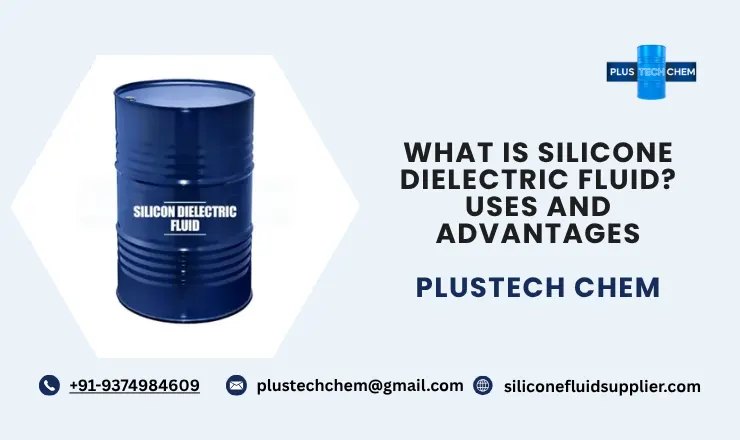
Then enter Silicone Dielectric Fluids. Earlier, they were used only by the military, but today, they are being used by many modern industries for cooling purposes. They have three benefits over their predecessors: chemical safety, fire safety, and sustainability. Traditional oils simply fail to do that.
6 Benefits of Silicone Dielectric Fluids Over Other Oils
Here are some of the benefits. Let us look at them.
1. The Fire Safety Imperative
Transformers are being installed everywhere today. Be it shopping malls, skyscrapers, or other areas, they can be seen everywhere. The reason to use silicone fluids in such places is important to avoid any safety-related risk. The fire point of mineral oil is 150°C. Whenever a fault arises, mineral oil can vaporize and catch fire, leading to “pool fires” that are extremely difficult to put out. Silicone fluids, on the other hand, have a fire point of 300°C+.
Since silicone can extinguish itself, it is constantly being replaced with mineral oil in the high-risk areas. K-class fluids (dielectric fluids with a fire point of 300°C) have let engineers replace expensive solutions like blast walls, suppression systems, and vaults with silicone.
2. Technical Performance and Thermal Stability
How effective a transformer is depends on the cellulose paper present around the temperature windings. Two things that greatly affect the transformer are heat and moisture. Mineral oil when heated, undergoes oxidation. During the process, an acidic sludge is created that attacks the cellulose paper and in turn clogs the cooling parts. Silicone fluids, on the other hand, are chemically inactive. This allows the transformers to operate at higher temperatures.
Key Comparison of Physical Properties
The following table will compare the features of mineral oil and silicone fluids.
| Property |
Mineral Oil |
Silicone Fluid |
Why it Matters |
| Fire Point |
~165°C |
>310°C |
Determines safety and clearance distances. |
| Flash Point |
~150°C |
~285°C |
The temperature at which vapors can ignite. |
| Viscosity (at 25°C) |
~20 cSt |
50 cSt |
Affects heat dissipation and pump requirements. |
| Dielectric Strength |
30–50 kV |
35–60 kV |
The ability to withstand electrical stress. |
| Oxidation Stability |
Moderate |
Excellent |
Dictates how often the fluid must be replaced. |
| Moisture Absorption |
Low |
Moderate |
Silicone holds more water in solution, protecting paper. |
This table is a clear reason for why silicone dielectric fluid is replacing the mineral oil.
3. The Economic Reality: Beyond the Initial Invoice
When compared, the silicone dielectric fluid's price per gallon is higher than the price of mineral oil. However, TCO (“total cost of ownership”) puts things into a different perspective. Investing in silicone fluids will be much more beneficial in the future.
- Reduced Infrastructure Costs: Since silicone fluid is less flammable than mineral oil, NEC allows the transformers to be placed at a closer distance from the buildings. This definitely saves huge amounts of money in real estate.
- Extended Maintenance Cycles: Silicone fluids do not result in acidity, thus reducing the costs.
- Asset Longevity: Since silicone fluids keep the interior wrapping paper cooler. A transformer’s life can get increased by 5 to 10 years.
| Cost Factor |
Mineral Oil |
Silicone Fluid |
Long-term Impact |
| Initial Purchase |
Low |
High |
Higher upfront CAPEX. |
| Fire Suppression |
High Cost |
Low / None |
Silicone reduces the need for sprinklers/walls. |
| Maintenance |
Frequent |
Minimal |
Lower OPEX over 30 years. |
| Insurance Premiums |
Standard |
Potential Discounts |
Lower risk profile often yields better rates. |
| Decommissioning |
Regulated |
Simplified |
Easier disposal at the end of life. |
4. Environmental Responsibility and Sustainability
The modern “grid system” is directed towards sustainability. Mineral oil can often get spilled on the ground, resulting in increased expenses. Silicone fluids, on the other hand, do not harm any life and do not fall under the category of hazardous substances. Also, since they are recyclable, they are preferred in many applications.
5. Selecting a Silicone Fluid Manufacturer
It should be well understood that not all silicone fluids are equal. Entry of any contaminant during the manufacturing process can significantly affect the transformer’s safety. Trusted sources provide:
- ASTM/IEC Compliance: Global regulatory standards like ASTM D4652 ensure that the product meets global compliance.
- Track Record: Ask if the manufacturer supply the product locally?
- Technical Support: Always ask the manufacturer if they provide Do they provide "gas-in-oil" analysis or testing services to help monitor the health of the fluid over time.
6. The Shift Toward "Hard-to-Service" Locations
Many inventors look for options that can work for a long time. Silicone demand: This reason has made the demand for silicone grow. As we look to the future, the demand for "set it and forget it" technology is growing. This is particularly true for:
- Offshore Wind Farms: High humidity and extreme difficulty of access make the stability of silicone invaluable.
- Remote Mining Operations: Dependable power options, like powering, are important for smooth operation.
- Urban Microgrids: Small-scale substations tucked into parking garages or under streets require the highest level of fire suppression.
In these environments, the question isn't "Why use silicone?" but rather "Can we afford not to?"
FAQs
1. Can I "retrofill" a mineral oil transformer with silicone?
Yes, but it requires engineering approval. Because silicone has a higher viscosity and different thermal expansion than mineral oil, the transformer’s cooling fins and gaskets must be checked for compatibility. To maintain the 300°C fire point, residual mineral oil must typically be reduced to below 1%.
2. How does the silicone dielectric fluid price compare to other options?
Silicone is more expensive upfront than mineral oil or natural esters (vegetable oils). However, it offers the lowest Total Cost of Ownership because it doesn't oxidize or sludge, significantly reducing maintenance and replacement costs over a 30-year period.
3. Are there specific silicone dielectric fluids to avoid?
Silicone is an excellent insulator but a poor lubricant. It is generally not recommended for use in certain high-speed "on-load tap changers" (OLTC) where metal-on-metal friction occurs. Always verify mechanical compatibility with your equipment manufacturer.
4. What should I look for in a silicone fluid manufacturer?
Prioritize a silicone fluid manufacturer that offers ASTM D4652 compliance and specialized Dissolved Gas Analysis (DGA) support. Purity is critical; even trace contaminants from the manufacturing or packaging process can lower the fluid’s dielectric strength.
5. Does silicone fluid require more frequent testing?
Actually, it requires less. Unlike mineral oil, silicone does not create acids or sludge as it ages. While basic annual moisture and dielectric tests are standard, the fluid is chemically "lazy," meaning it stays stable for decades without needing the frequent reclamation typical of hydrocarbons.
| Metric |
Silicone Fluid |
Mineral Oil |
| Testing Frequency |
Low (Stable) |
Moderate (Oxidizes) |
| Sludge Formation |
None |
High Risk |
| Fire Safety |
Excellent (K-Class) |
Poor |
Ready to procure high-quality silicone dielectric fluids?
With the growing preference for silicone dielectric fluids, the need to choose the right manufacturer also increases. Plus Tech Chem is one of the leading manufacturers of Silicone Fluid Suppliers in India. They are known for providing high-quality fluids to hundreds of businesses.
The platform also deals in silicone defoamers, silicone emulsion, silicone oil, silicone fluid, and more.