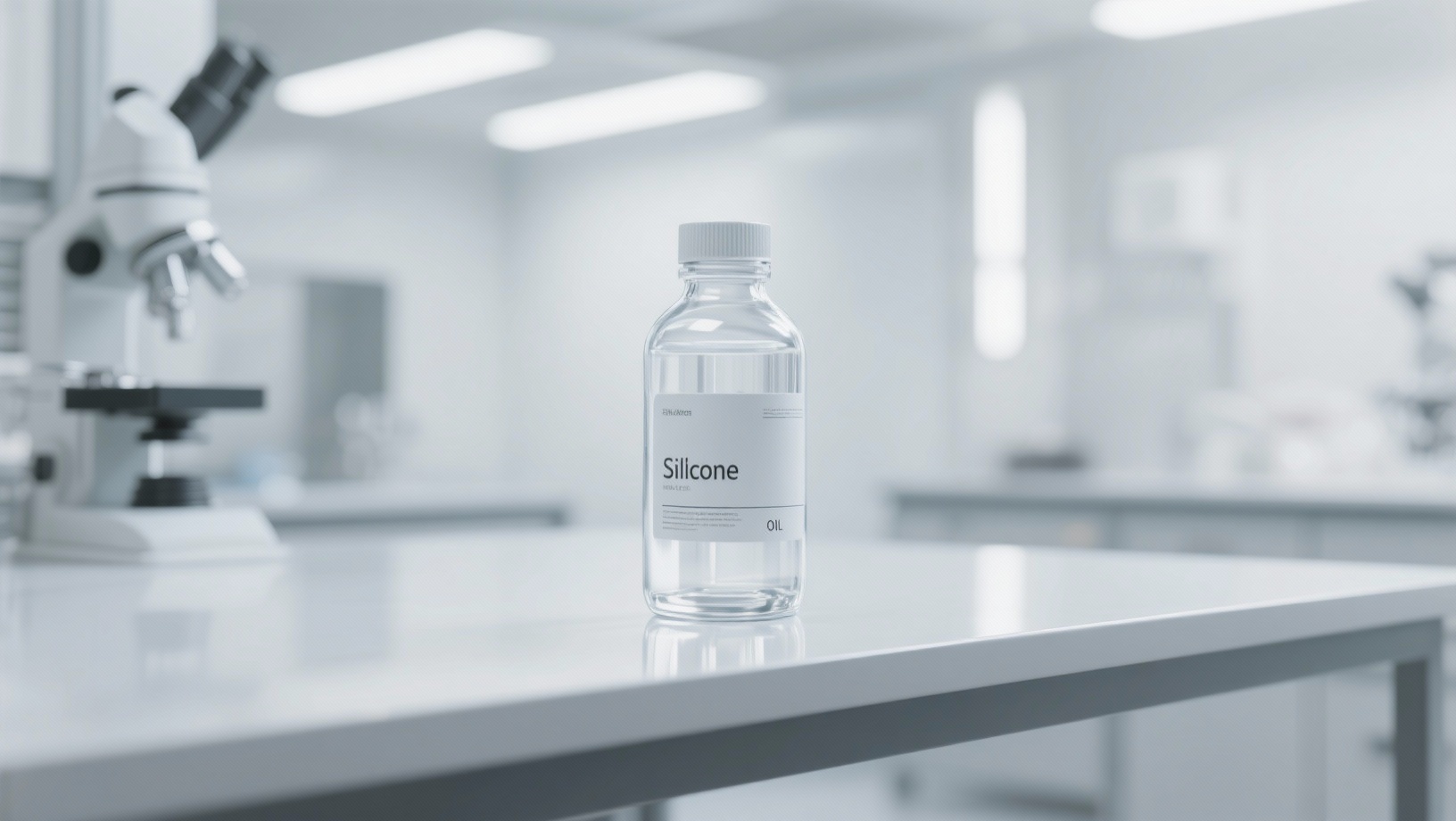
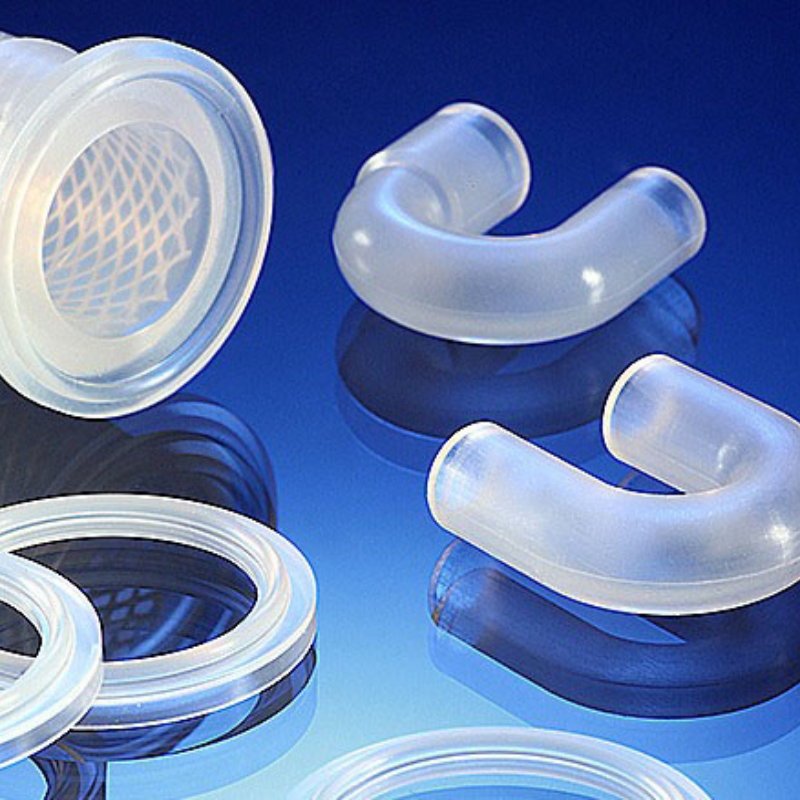
If your job is within any of these sectors, such as manufacturing, engineering, electronics, automotive, or process industries…….
then here is a perfect blog about silicone oil or fluid. We understand the issues related to lubrication that you might face with your industrial machinery. If you haven't used them directly, they may still be there and provide a critical but quiet service to your operations.
In this blog, we will find out exactly what silicone fluids are, their working principle and the reasons that convince industries to use them instead of familiar oils and fluids.
Understanding Silicone Fluids in Simple Terms
Silicone fluids are synthetic fluids that come from silicone polymers and are pretty much based on a silicon–oxygen backbone. This single structure makes them very different from mineral oils or petroleum-based fluids.
In industrial talks, silicone oils are commonly called lubricant oil, due to their liquid and oily characteristics. Nevertheless, as opposed to regular oils, silicone fluids are more chemically stable, less reactive, and keep their performance even in very harsh conditions.
They also come in different viscous ranges, from very thin, free-flowing liquids to quite thick, highly viscous grades. Such flexibility allows producers to pin-point the exact fluid which is most suitable for their application.
What Makes Silicone Oils Technically Superior?
Industries don’t bring in new materials without quite a bit of consideration. Normally, silicone fluids have a combination of a number of properties which is very hard to be achieved by conventional fluids.
The key technical characteristics are:
- Very good thermal stability at both very high and very low temperatures
- Being chemically inert, e.g. they do not easily react with other substances
- Having low surface tension, thus enabling propagating and coating operations
- Being water repellent, hence, quite suitable for moisture-sensitive environments
- Having electrical insulation properties, which are very helpful in the electronics, e.g., areas
Silicone Oil vs Conventional Oils: Why the Shift?
There is no doubt that traditional mineral oils are good enough for the most general applications; however, they are usually incapable of withstanding very high or very low temperatures or chemical attacks. Therefore, this is the field where silicone oil performs excellently.
The differences are that petroleum oils:
- That it does not oxidize easily
- That it keeps viscosity within a wide temperature range
- That it does not create sludge or carbon deposits
- That it provides longer service life
Industrial Applications of Silicone Fluids
The most convincing one of the reasons why the demand for silicone fluids is continuously increasing is their adaptability. One material can be used for various industrial needs.
1. Lubrication Applications
Silicone fluid grades are very popular in places where normal lubricants work poorly or not at all. Such places can be enumerated as follows:
- Machinery that operates at very high temperatures
- Parts made of rubber and plastic
- Light-load precision mechanisms
Being just one such lubricant, it lowers the friction level without the accompanying deterioration of sealing, elastomers or plastics. Consequently, it is the perfect piece of equipment for the devices that require a mild type of lubrication, but still, it must be long-lasting.
2. Heat Transfer and Thermal Control
Silicone fluids are commonly used in:
- Thermal exchange units
- Temperature baths
- Metal industrial heating equipment
They are very good for both heating and cooling systems due to their ability to stay stable over a large temperature interval.
3. Electrical and Electronics Industry
Silicone oil is sought after for the following purposes:
- Dielectric insulation
- Protection against moisture
- Cooling of delicate parts
Transformers, sensors, and electronic assemblies cannot go without silicone fluids if they want to be safe from electrical failure and overheating.
4. Textile and Surface Treatment
The use of silicone fluids in textiles and surface finishing:
- They make materials softer and smoother
- Water repellency is enhanced
- They improve fabric feel without adding stiffness
Why Industries Prefer Silicone Fluids Over Alternatives
Manufacture buyers not only consider the performance, but they also take into account long-term value.
Reasons for industry preference:
- Long usage life, which leads to fewer replacements
- Low maintenance, thus money is saved by the operation department
- Performance remains stable even if the product is under stress
- Good interaction with metals, plastics, and rubber
Knowing Silicone Oil Price From an Industrial Viewpoint
When purchasers are evaluating silicone oil prices, they should not only focus on the cost of one litre.
The cost is influenced by:
- Viscosity grade
- Purity level
- Formulation for the specific application
- Volume of the order
Though in some cases, silicone fluids may have a higher price, the industry frequently finds that:
- Machinery gets extended service life
- Breakdowns are significantly reduced
- Performance stabilizes over time
Silicone Oil Lubricant: A Specialized Industrial Solution
This lubricant is not the outright replacement of all lubricants — rather, it is intended for certain, highly demanding work.
The time when people most often decide on this option is when:
- Under very high temperatures mineral oils break down
- Rubber compatibility is a must
- Cleansing, non-staining lubrication is the requirement
Industries that are equipped with precision instruments, the medical industry, or plastic assembling businesses are the ones that usually depend on silicone oil lubricant grades for their great performances.
The Function of a Dependable Silicone Fluids Dealer Concerning Silicone Fluids
Getting the appropriate product is only one part of the task. The supplier which you decide to work with is equally important.
A professional silicone fluids dealer facilitates businesses by:
- Advising on the correct viscosity and grade
- Confirming consistent quality of the batch
- Technical support and documentation provision
- Reliable supply chains maintenance
An accomplished dealer dealing with silicone fluid materials is not only aware of the application difficulties but can also help the buyers in avoiding errors that would cost them dearly.
Key Points That Industry Consider Before Their Decision Of Purchasing Silicone Fluids
Before deciding to get silicone fluids, industries usually consider the following points:
- Range of operating temperature
- Load and friction requirements
- Possible electrical or chemical exposure
- Material compatibility
- Long-term cost vs performance
Environment and Safety Aspects
Silicone fluids carry the following characteristics:
- Low toxicity
- Non-corrosive
- Minimal impact on nature when properly handled
Since they are stable and safer than many petroleum-derived alternatives, they are greatly welcomed by regulated industries.
Future Demand for Silicone Fluids
The industries which are concerned with:
- Energy efficiency
- Equipment reliability
- Maintenance reduction
The need for silicone fluids will not stop increasing but rather will continue to rise at a steady pace. The sectors of advanced manufacturing, electronics, renewable energy and automation are the ones that are progressively incorporating silicone oil as a part of their systems.
Conclusion
Due to their thermal stability, chemical inertness, wide viscosity range, and long service life, silicone fluids have become an indispensable industrial solution. They are used in various ways, such as lubrication, heat transfer, electrical insulation, and surface treatment, and they resist better than conventional oils in hard conditions, thus lessening maintenance and downtime. As a matter of fact, the initial cost might be high, but the operational benefits in the long run make them a wise investment for today's industries.
Looking to improve equipment performance and reliability? Partner with Plustech Chem, a trusted silicone fluid supplier, today and choose the right grade-specific oil for your application needs.