Selecting a wrong type of heat transfer fluid troubles the system efficiency and operating cost, safety, and reliability in the long term. In industry operation extreme climate requires consistent thermal stability. There are 2 popular choices for this: Syltherm XLT and Dowcal 100.
Understanding Heat Transfer Fluids
As the name suggests, heat transfer fluids are designed to move thermal energy perfectly from one point to another point. This is not like water, which operates across high or low temperatures without any freezing, boiling, or degrading quality. If you choose the wrong fluid, it can lead to pump failures and reduce the heat efficiency and also costly downtime. This is where Trusted Heat Transfer Fluid Manufacturers play a crucial role by offering fluids with predictable performance and long service life.
Trivia
Heat transfer fluids can lose efficiency long before they “look” degraded.
Overview of Syltherm XLT
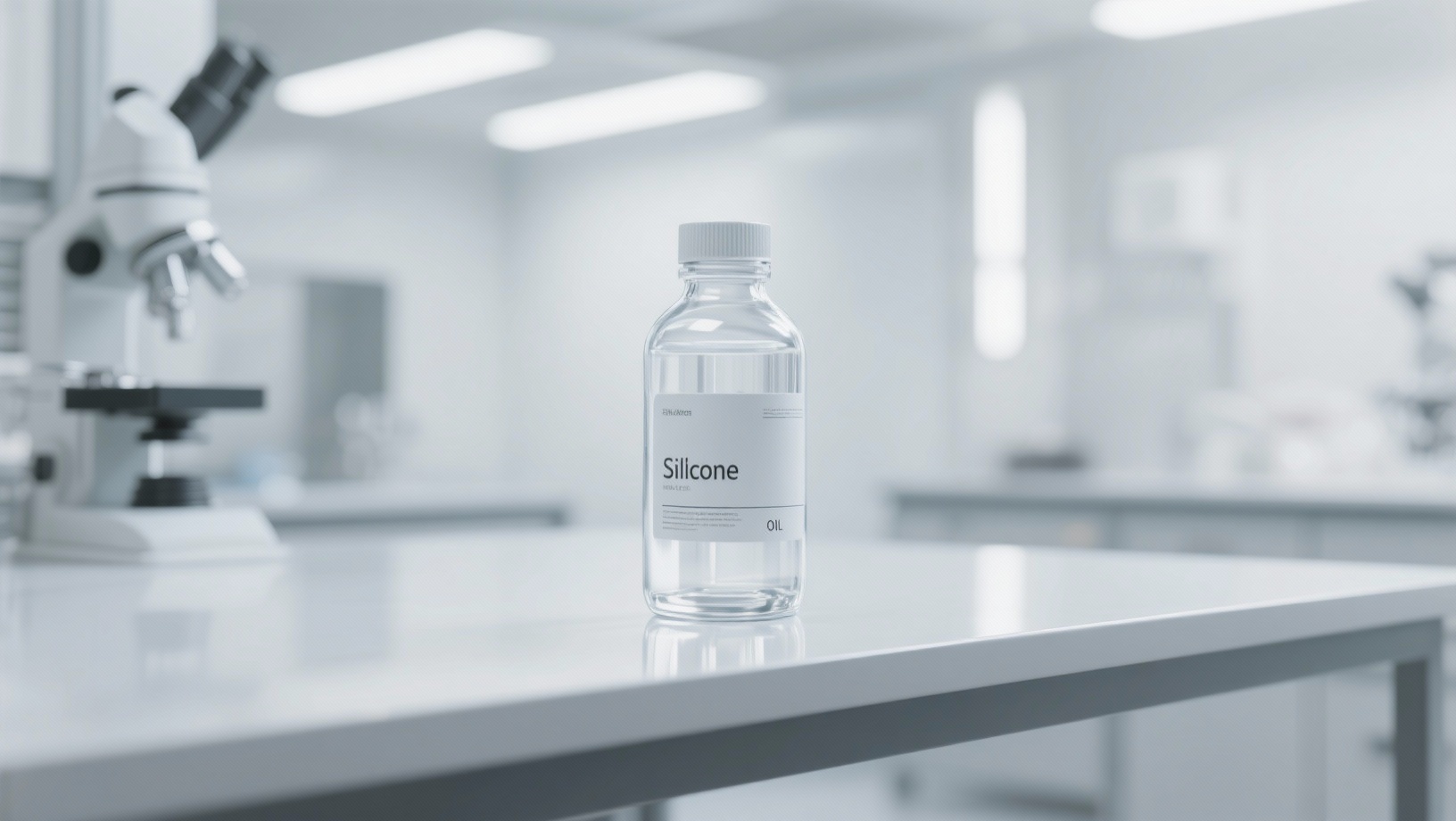
For extremely low temperatures, engineers designed the silicone-based fluid, which is Syltherm XLT heat transfer fluid. It is widely used in medicine lines, biotech process testing, and cold climate industrial systems.
Key Advantages
- Excellent low-temperature pumpability
- Minimal stickiness increase at sub-zero temperatures
- Long service life due to Electron loss resistance
This fluid maintains smooth circulation without stressing pumps or seals.
Syltherm XLT: Technical Characteristics
In extreme conditions, engineers always focus on thermal consistency. At low temperatures it does not thicken highly. This is the property of Syltherm XLT Properties.
Notable characteristics include:
- Very low pour point
- Thermal conductivity is stable
- Chemically inert silicone structure
- Frequency of maintenance is reduced
This makes it ideal for systems where temperature control must remain precise even in bad environments.
Dowcal 100 Overview
Dowcal 100 heat transfer fluid is best when systems demand thermal stability and freeze protection in glycol-based solutions. This is commonly used in HVAC systems, food processing plants, and industrial requirements.
Reasons Modern Industries Rely on Dowcal 100:
- Cost-effective solution
- Easy availability
- Resistant to corrosion
It is particularly effective where moderate temperature ranges and safety compliance are key concerns.
Dowcal 100: Technical Characteristics
Dowcal 100 properties are suitable for long-term operations. It performs well in many industrial settings, and also it requires regular checking to maintain the best performance.
Key points to note:
- At low temperature, the stickiness is high.
- Higher viscosity at very low temperatures
- Requires inhibitors to prevent corrosion
- Periodic fluid analysis is recommended
Its strength lies in stable, predictable performance rather than extreme temperature flexibility.
Trivia
Some heat transfer fluids flow better at -40°C than honey does at room temperature.
Also know about What Are Silicone Fluids and Why Do Industries Prefer Them.
Side-by-Side Comparison Table
Here is the comparison table between the Syltherm XLT and Dowcal 100.
| Parameter |
Syltherm XLT |
Dowcal 100 |
| Basic Chemistry |
Silicone-based |
Glycol-based |
| Minimum Operating Temperature |
Extremely low |
Moderate low |
| Viscosity at Low Temp |
Very low |
Higher |
| Maintenance Needs |
Low |
Medium |
| System Lifespan Impact |
Longer |
Moderate |
| Ideal Use Case |
Cryogenic & cold climates |
HVAC & industrial cooling |
Performance of both fluid in Real-World Applications
Systems using Syltherm XLT heat transfer fluid report faster startup times and fewer mechanical issues in cold-climate medical plants. Meanwhile, facilities using Dowcal 100 heat transfer fluid benefit from lower upfront costs and easier disposal compliance.
The choice ultimately depends on:
- Operating temperature range
- Budget constraints
- Maintenance capabilities
- Regulatory requirements
Conclusion
Both fluids are better for their different reasons. Syltherm XLT is a smart decision when your system demands extreme low-temperature reliability with maintenance. If your priorities are cost efficiency and moderate thermal stability, then DowCal 100 is good for you. The final decision depends on you and your requirements and needs. Searching any fluid transfer manufacturer We are trusted heat transfer fluid manufacturers with technical expertise and a reliable supply. Plush Tech Chem is the best for you and your requirements. Visit now: Plustech Chem
Understand about the heat transfer fluids and how to choose the right solution.
Heat Transfer Fluids in India: Choosing the Right Solution for Industrial Applications
FAQs
1. Which heat transfer fluid performs better in extremely low-temperature environments?
Ans: Syltherm XLT generally performs better in extremely low-temperature conditions because it maintains low viscosity and smooth flow even in deep sub-zero ranges. This helps prevent pump strain and uneven heat transfer. Systems operating in pharmaceutical, biotech, or cold-climate applications benefit from its consistent thermal behavior, especially during cold startups where many conventional fluids struggle.
2. How does Dowcal 100 compare in terms of long-term thermal stability?
Ans: Dowcal 100 offers reliable thermal stability within its recommended operating range. It performs well in HVAC and industrial cooling systems where temperatures remain moderate. However, it requires routine monitoring to maintain inhibitor levels and prevent degradation. With proper maintenance, it can deliver steady performance, but it may not match silicone-based fluids in extreme or continuous low-temperature operations.
3. What factors should engineers consider when choosing between these two fluids?
Ans: Engineers should evaluate operating temperature range, system design, maintenance capability, and total lifecycle cost. Low-temperature startups, viscosity behavior, oxidation resistance, and pump compatibility are critical considerations. Budget constraints and regulatory requirements also matter. Choosing the right fluid is less about brand preference and more about matching fluid chemistry to real operating conditions.
4. What challenges do users face when switching from glycol to silicone-based fluids?
Ans: Many users report that the biggest challenge is proper system flushing. Residual glycol can affect silicone fluid performance if not removed completely. Some operators also need time to adjust maintenance expectations, as silicone fluids require less frequent testing. Once the transition is done correctly, most users experience smoother operation, fewer pump issues, and more stable temperature control.
5. What feedback do plant operators give after long-term use of Dowcal 100?
Ans: Operators often mention that Dowcal 100 is dependable but maintenance-sensitive. Regular fluid testing, inhibitor management, and leak monitoring are essential. Users appreciate its cost-effectiveness and availability, especially in large systems. However, some note higher energy consumption in colder conditions due to increased viscosity, making preventive maintenance a key part of long-term satisfaction.
6. How does fluid choice impact maintenance costs and system lifespan?
Ans: Fluid selection directly affects pump wear, seal life, and heat exchanger cleanliness. Stable fluids reduce oxidation, sludge formation, and corrosion, lowering unplanned downtime. While premium fluids may have higher upfront costs, they often reduce long-term maintenance expenses. Over time, the right heat transfer fluid can significantly extend system lifespan and improve overall operational efficiency.