Peeling a stuck part off a hot mould tests anyone’s patience. Torn edges, slow cycles and dull finishes add up fast. A suitable Wacker Silicone Fluid can take the edge off these problems. Many processors test Silicone Fluid for Rubber Manufacturing first. Read on for the uses, the grades and a short buying checklist from Plustech Chem.
What Is Wacker Silicone Fluid and Why Is It Used in Rubber Manufacturing?
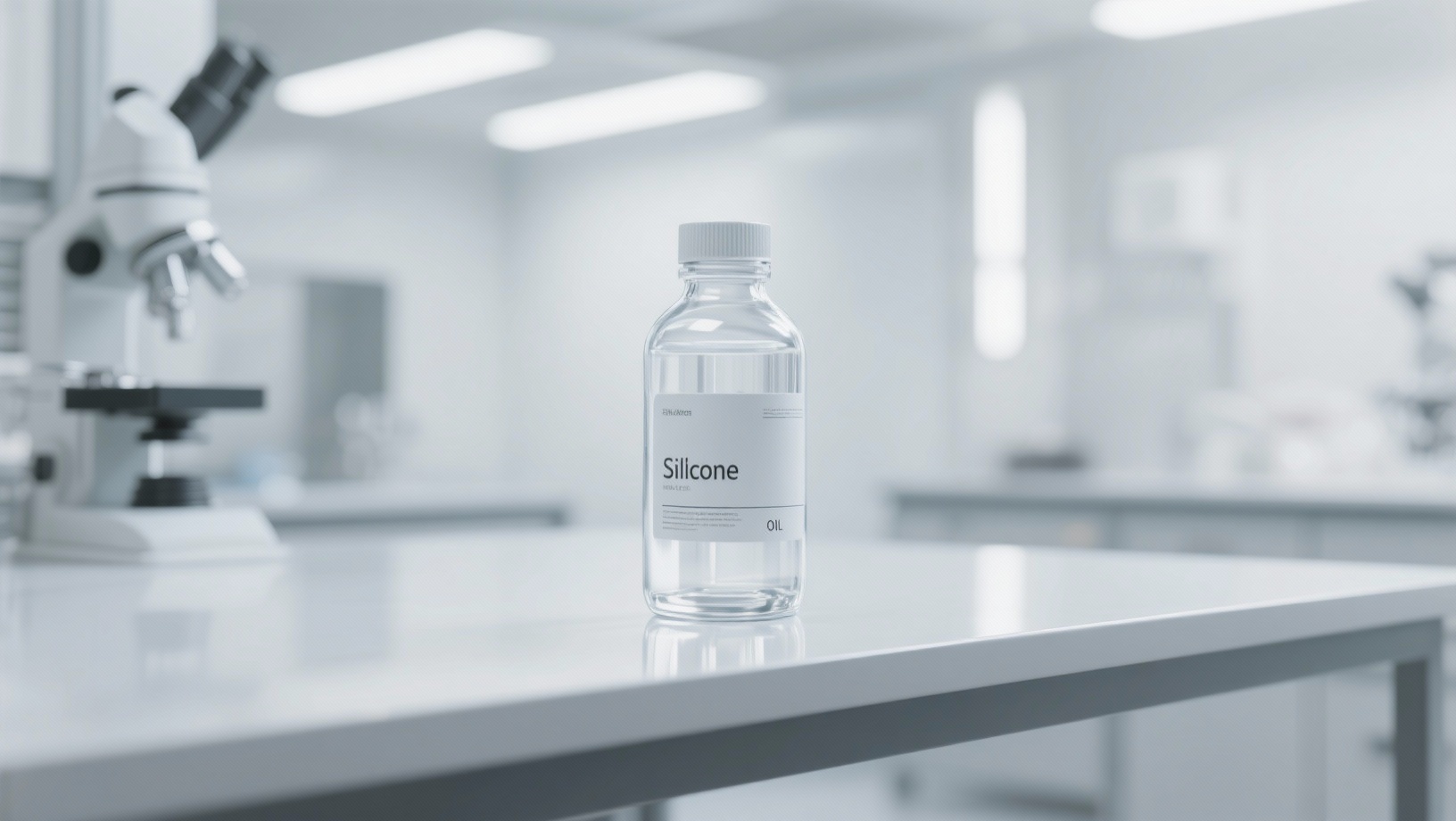
It’s a clear polydimethylsiloxane oil sold by viscosity. Heat doesn’t throw it off much, so plants treat it as a dependable Industrial Silicone Fluid.
- Low surface tension means it wets surfaces in a thin, even layer
- Handles heat better than many mineral oils
- Chemically stable alongside many common rubbers
- Comes runny or syrupy, depending on the grade you pick
No wonder it shows up in moulding, finishing and compounding alike.
Major Applications of Wacker Silicone Fluid in Rubber Manufacturing
In a rubber plant, it usually does three jobs.
Mould Release During Rubber Production
Stickiness is the traditional headache. Diluting a Silicone-based Rubber mold release agent according to your needs will most likely do the trick, although ratio, spray pattern, and mold temperature require fine-tuning during trials. Plustech Chem can talk you through it. Here is what plants usually see.
- Demoulding gets cleaner, with fewer torn edges
- Cavities stay free of build-up for longer
- Waiting between cycles drops
- Less scrap from parts that tear on removal
Surface Finishing of Rubber Components
A light silicone film can make compatible rubber feel smoother to the touch. Possible effects follow.
- Extra surface slip
- A hint of water repellence
- A cleaner look along moulded edges
Modification of Silicone Rubber Compounds
Processors sometimes add selected grades as a processing aid. Go easy on the dose, since silicone rubber reacts to additives in its own way. Trials should track the following.
- Does mixing get easier and compound viscosity drop?
- Hardness after curing
- Any oily bloom reaching the surface later
Key Benefits of Wacker Silicone Fluid in Rubber Processing
Silicone Oil for Rubber Moulding behaves differently across grades and formulations. Still, processors tend to mention these upsides.
- Complex mould shapes release more easily
- Fewer rejects from sticking
- Viscosity can change when the process does
- Simple dosing once the dilution is settled
- Consistent finish from batch to batch when dosing stays steady
| Did You Know? Silicone fluids start as watery liquids around 0.65 cSt and stretch past one million cSt. |
Wacker Silicone Fluid Grades for Rubber Industry Applications
Viscosity determines the flow of the liquid and thickness of the coating. Customers inquire most often about three types. Application method and film needs usually settle the pick.
Wacker AK 100 cst
Runs thin and spreads fast.
- Good for light coatings and for diluting release blends
- Confirm the exact range on the data sheet
- Often picked when quick wetting matters more than film body
Wacker 350 cst Silicone Fluid
It sits in the middle, balancing spread and film body.
- Covers warm surfaces more steadily
- Check the data sheet before approval
- Worth including in trials across several moulds
Wacker 1000 cst Silicone Fluid
Thicker again, it leaves a heavier film.
- Application is slower and more controlled
- Handy when films must last longer
- Thick fluids pour slowly, so plan handling and dosing
Factors to Consider Before Choosing Wacker Silicone Fluid for Rubber Manufacturing
Grade matters, though it is only one factor. Run through this list first.
- Rubber type, because compatibility changes with the polymer
- What temperature do moulding and curing reach?
- Pick an application method early, since it sets the viscosity
- Residue on finished parts, especially before bonding or painting
- Ask whether data sheets arrive with every batch
- Storage and handling conditions at your plant
- Batch size and expected monthly usage
How to Source Wacker Silicone Fluid for Rubber Manufacturing in India
Some firms make it, others stock and ship it. When weighing Wacker Silicone Fluid Manufacturers against Wacker Silicone Fluid Suppliers, ask Plustech Chem about the following.
- Proof the product is genuine, with batch details
- A technical data sheet for each grade
- Drum and bulk pack sizes
- Trial quantities before a bulk order
- Clear answers on shelf life and storage
Conclusion
From mould release to finishing to compound tweaks, Wacker Silicone Fluid keeps finding work in rubber plants. Three habits help before you buy.
- Choose the grade by process need
- Trial a small batch
- Get documents confirmed before bulk orders
Get those right and the fluid becomes a steady part of daily production. Browse the range at Plustech Chem and ask for a grade recommendation.
FAQs
1. How does Wacker Silicone Fluid help with mould release in rubber manufacturing?
Picture a microscopic slick between rubber and steel. That’s roughly what the fluid leaves behind, and the part lets go without a fight. Don’t borrow someone else’s dilution, though. Your compound and mould temperature change the answer, which is why a few trial cycles should come first.
2. How do I choose between Wacker AK 100 cst, Wacker 350 cst Silicone Fluid and Wacker 1000 cst Silicone Fluid?
Honestly, it comes down to how you put it on. Spraying? Lean toward the thinner grade. Want a film that stays put? The 1000 cst one is the heavier option, with the 350 cst grade sitting between them. Order small samples of two and compare them on your own mould.
3. Is Wacker Silicone Fluid a safe Silicone Oil for Rubber Moulding without hurting part quality?
Mostly yes, but check before you celebrate. Too much fluid leaves a greasy surface, and leftover residue can spoil paint or adhesive later. Run a short trial, then try bonding or painting a finished piece. If it holds up, you’re probably in good shape for regular production.
4. Can Wacker Silicone Fluid change the properties of silicone rubber compounds?
Yes, and dose is usually the culprit behind it. Add too much and hardness or strength can drift, while the extra may seep to the surface later. Start with a small amount, change one thing per batch, and let samples cure fully before you judge anything.
5. What should I ask for before buying Wacker Silicone Fluid in bulk?
Get the data sheet for every grade in writing, along with batch details that prove the product is genuine. Ask about shelf life and storage too, because drums can sit around a while. A seller who dodges or delays these questions probably isn’t worth your bulk order.
6. What is the difference between Wacker Silicone Fluid Manufacturers and Wacker Silicone Fluid Suppliers?
Makers produce the fluid; suppliers stock it and ship it. Neither is better by default. What you want is a supplier who backs the product with paperwork, flexible pack sizes and steady repeat deliveries. Plustech Chem is worth a call, especially if you need trial quantities first.