All the industries in the modern world such as manufacturing, automotive, pharmaceuticals, and electronics require smooth, reliable, and efficient operations. A quiet but capable hero in the centre of most of these systems is: silicone fluids. These versatile compounds have transformed lubrication, insulation and protection in industries.
As compared to the traditional mineral oils or petroleum lubricants, silicone liquids provide unmatched chemical stability, heat dissipation, and durability. Their special silicon-oxygen molecular backbone also provides the properties directly translated to better industrial performance and efficiency.
Understanding Silicone Fluids
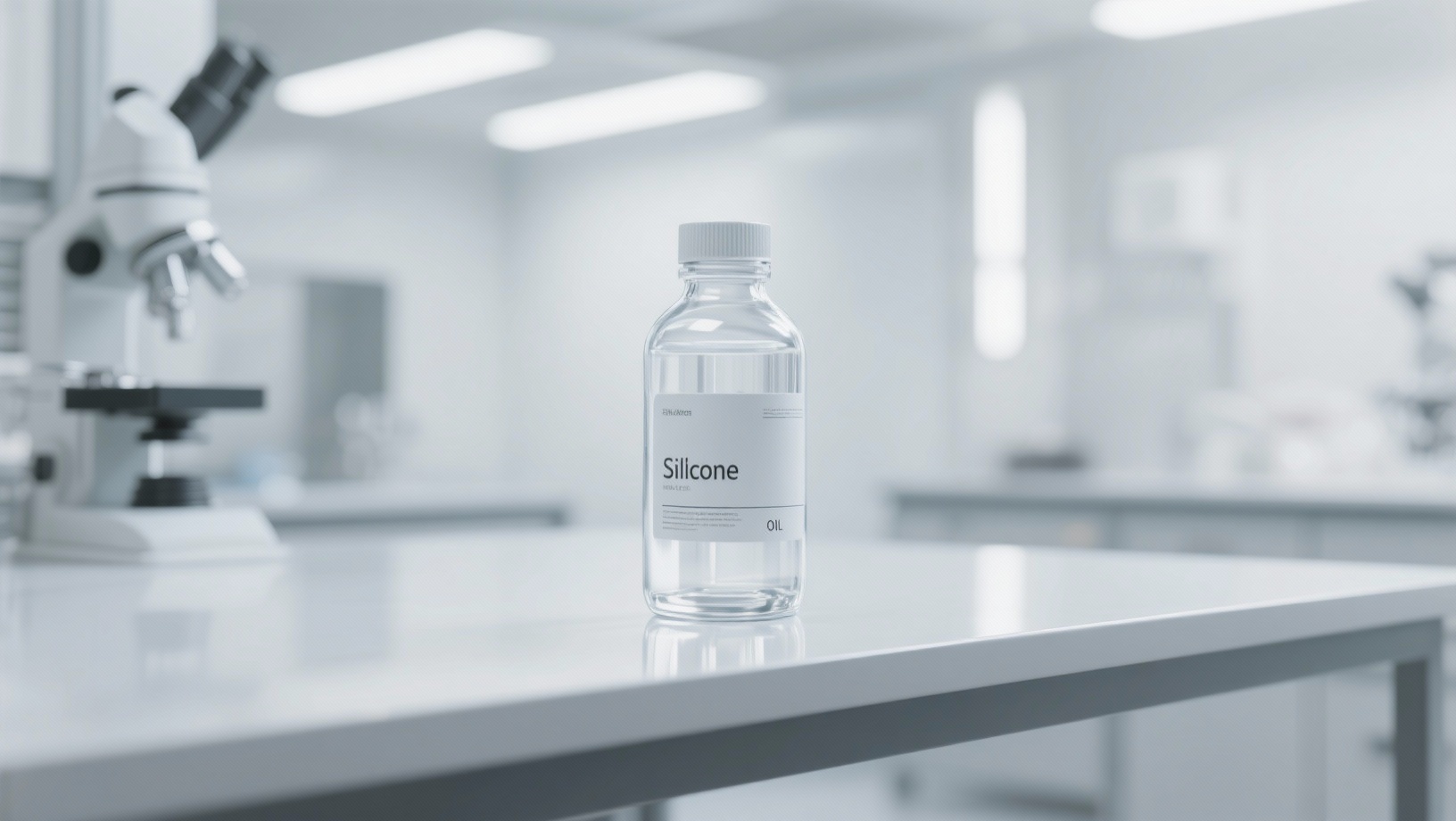
Silicone (or silicone oils) are synthetic fluids (oils) that are derived as silicone polymers, and based on silicon–oxygen (Si–O) backbone. This formation gives them excellent flexibility, stability and oxidation resistance over conventional hydrocarbon based oils.
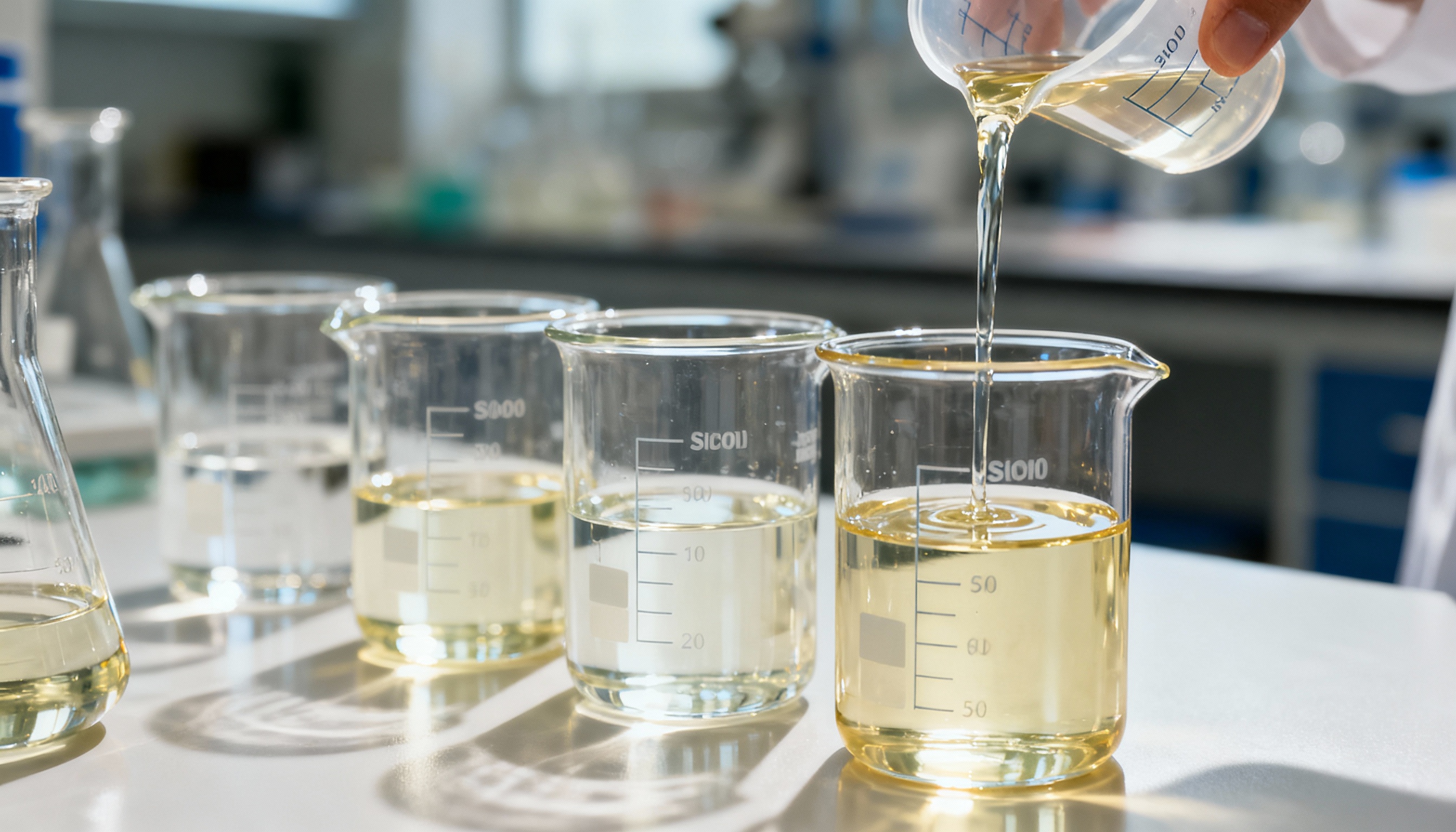
In their simplest form, Silicone Fluids can be either low-viscosity liquids such as water-like lubricants, or high-viscosity gels that are useful as dampers or insulators. The polydimethylsiloxane (PDMS) is the most popular form that is applicable in all industries and has been glorified due to its versatility and inactivity.
The importance of this built-in neutrality lies in the fact that silicone liquid have to be used in sensitive industries like electronics or medical production.
Why Industries Are Shifting to Silicone Fluids
Over several decades, mineral oils are the default lubricants and Heat-Transfer media. However, with the development of industries, which had to be more efficient and operate in severe conditions, the shortcomings in traditional oils could be evident.
The reasons behind the preference of silicone fluids now is as follows:
- Excellent Thermal Stabilization: Silicone liquids can be subjected to high or low temperatures, ranging between -60°C to over 200°C without falling apart. This guarantees the stability of viscosity and performance in different environments.
- Chemical Inertness: They do not readily interact acid, base, other chemicals. This passive character eliminates corrosion and pollution in sensitive systems.
- Low Volatility and Oxidation Resistance: Silicone fluid does not oxidize readily as petroleum-based oils do, thus it offers long term stability even when subjected to continuous heat.
- Electrical Insulation Properties: They possess good dielectric properties, which qualify them to used in electronic & high-voltage insulation.
- Hydrophobic Character: Silicone fluids are hydrophobic and thus, avoid moisture damage to electronic and mechanical parts.
- Low Surface Tension: This enables smooth, even coating, enhanced spreading property as well as good defoaming behavior.
All these characteristics are translated to increased operational reliability, lower maintenance costs, and increased equipment lifespan, which are elements of industrial efficiency.
Applications Across Industries
The reliability of silicone fluid is uniquely beneficial to each industry, and it can be seen why leading manufacturers and suppliers are spending a lot of money on perfecting their performance profiles.
1. Automotive & Transportation
Silicone fluids are important in the formula of braking, polish, damping and engine parts. Their ability to withstand oxidation and thermal degradation will guarantee high stress lubrication.
2. Electronics and Electrical Engineering.
Silicone fluid is used in transformers, circuit boards and high-voltage equipment as an insulating oil due to their high dielectric strength and resistance to moisture.
3. Manufacturing Industries and Processes.
Silicone fluids are also used in factories as conveyor oil, release oils in molds and heat-transfer fluids in reactors. Their wide temperature range enables machines to continue working effectively with different production cycles.
4. Textile & Personal Care
Fabric finishing is done using modified silicone fluids, such as amino- or polyether-modified silicones, which give them a soft and shiny feel. They also improve the texture, spreadability and moisture protection in personal care products.
5. Food and Pharma Equipment.
Silicone oils can be food-grade, which are inert, non-toxic and stable, and are employed in food-processing equipment lubrication and pharmaceutical formulas where purity and inertness are critical.
Technical Advantages That Enhance Industrial Efficiency
The technical superiority does not only improve performance, but redefines the performance of the most efficient functioning of an industrial process in terms of long operating cycles.
1. Long Lasting Equipment Life.
Silicone fluids are characterized by high oxidation and chemical resistance which eliminates wear and corrosion. This saves time in down periods and frequency of replacements, which is essential for cost-effective operations.
2. Reduced Energy Consumption
The ability of silicone fluids to offer constant viscosity over a large temperature span means that they guarantee less frictional energy loss and smoother mechanical motion.
3. Stable Performance under Adverse Environment.
From freezing environments to high-temperature furnaces, silicone fluids remain stable and effective without thickening, evaporating, or breaking down.
4. Improved Process Control
In manufacturing and chemical processes, stability viscosity can be used in prediction of the heat transfer and reaction dynamics.
5. Safety and Environment Advantages.
Chemically inert and non-toxic, silicone fluids in many cases are eco-friendly alternatives to volatile organic mineral oils that can evaporate or decompose quickly.
6. Flexibility of Formulations.
It enables the manufacturers to control viscosity, surface energy, and functionality to fit the needs related to applications, this is something that is hardly achievable with natural oils.
How Silicone Fluid Manufacturers Ensure Quality
Manufacturers of silicone fluids do not compromise on quality in order to guarantee consistency in viscosity, purity and stability of their products. The manufacturing process includes:
- Choice of siloxane monomers of high purity produce base fluids.
- Dispersed polymerization form specific chain lengths and functional groups (e.g. methyl, amino, phenyl modifications).
- Calibration of viscosity with accuracy rheological test apparatus.
- Extensive quality control, verification of dielectric strength, refractive index, thermal stability and chemical inertness.
Comparing Silicone Fluids to Conventional Oils
Here’s a short overview of how silicone liquids outperform traditional lubricants and heat-transfer oils:
| Property |
Conventional Mineral Oil |
Silicone Fluid |
| Thermal Stability |
Degrades above 150°C |
Stable up to 250°C+ |
| Chemical Reactivity |
Reactive with acids/bases |
Chemically inert |
| Oxidation Resistance |
Prone to oxidation |
Outstanding resistance |
| Viscosity Range |
Limited |
Broad, tunable |
| Electrical Insulation |
Moderate |
Excellent |
| Water Repellence |
Poor |
Highly hydrophobic |
| Lifespan |
Medium |
Long, low maintenance |
Choosing the Right Silicone Fluid
The most appropriate silicone fluid is made by considering the operation temperature, viscosity, and chemical exposure. For example:
- Low-viscosity fluids (10100 cSt): These are suitable to use in the coating process and heat transfer.
- Medium-viscosity oils (350-1000 cSt): This has general lubrication and damping applications.
- High-viscosity grades (as high as 100,000 cSt): It can be used in sealants, shock absorbers, and high-load bearings.
The wrong choice of viscosity might result in either inefficient lubrication or inefficient thermal control. Therefore, collaboration with a long-established company guarantees the customization of performance to particular tasks.
The Future of Silicone Fluids in Industry
The need for silicone-based solutions will only be increased when sustainability and energy efficiency are considered as the core of the industrial design. Fluorosilicone and modified silicone liquid are the new trends in extreme use like aerospace, renewable power, and intelligent manufacturing.
Developing uses are:
- Thermal management based on renewable power.
- The use of high-end robotics and automation, which needs greases that are durable.
- Greener and friendlier fluids that substitute hydrocarbon-based fluids.
The trend is toward cleaner, more efficient processes in which engineered silicone fluids reduce waste, downtime, and life-cycle costs.
Conclusion
Silicone liquid has ceased from a specialty lubricant to be a foundation block to the modern industry. These fluids have unmatched thermal stability, lubrication efficiency and eco-friendliness, which remove bottlenecks, extend the life of equipment and enhance reliability of output.
With the ongoing modernization of the industries, silicone fluids can be seen as a testament to the fact that innovation in materials science helps to make industries more efficient, cleaner and smarter. With materials that can change to extremes with ease, performance comes naturally, and that is the silent genius of silicone fluid.
CTA: To any business that aims at increased efficiency and low cost business, collaborating with reliable silicone fluids manufacturers such as Plus Tech Chem that have been in operation for several years with assured experience and strategies, guarantees not only a product but also an upgrade to the performance of your whole system. Contact them now for better results!
FAQs
1. What are silicone fluids primarily made of?
Silicone fluids are artificial materials that are made up of silicon, oxygen carbon and hydrogen atoms that form a polymer chain. This SiO backbone provides them with the high stability and flexibility against petroleum oils.
2. How do silicone fluid manufacturers ensure consistent quality?
Manufacturers use raw materials of high purity, hi-tech polymerization processes and multi-stage testing of viscosity and dielectric performances to provide homogenous quality and performance.
3. Can silicone fluids replace mineral oils completely?
Yes, in most industrial applications. Silicone fluid is better than conventional oils particularly where stability in high temperature, resistance to chemicals or dielectric strength is needed.
4. Are silicone fluids environmentally safe?
Yes. They are generally non-toxic, non-inflammable and non-reactive, and hence have small environmental impact and longer duration of service life.
5. What viscosity is best for my application?
The choice of the viscosity is determined by the temperature of the system, pressure, and movement. Consulting to silicone fluid manufacturers would help in ensuring that the grade of the viscosity is perfectly aligned with your operations.
6. Where can I purchase high-quality silicone fluids?
Some reputable suppliers of silicone oils of high quality in industrial grade can be found in Plus Tech Chem, a company with technical skills and the ability to create customised formulas.