In the recent past, there has been tremendous change in the paints and coatings industry whereby the use of water-based materials has become common because of the low VOC emissions, environmental friendliness, and high level of safety. Currently, the paints and coatings used are water-based. Although there are many advantages associated with the use of water-based paints and coatings, they present one major drawback – foaming.
Even though foam seems insignificant during the manufacturing process, it can affect significantly the quality and appearance of the finished coating by creating problems like cratering, pin holing, fisheying, inadequate leveling, poor gloss and film formation, thus negatively affecting not only the visual appeal of the coating, but also increasing manufacturing costs due to the need to do additional work.
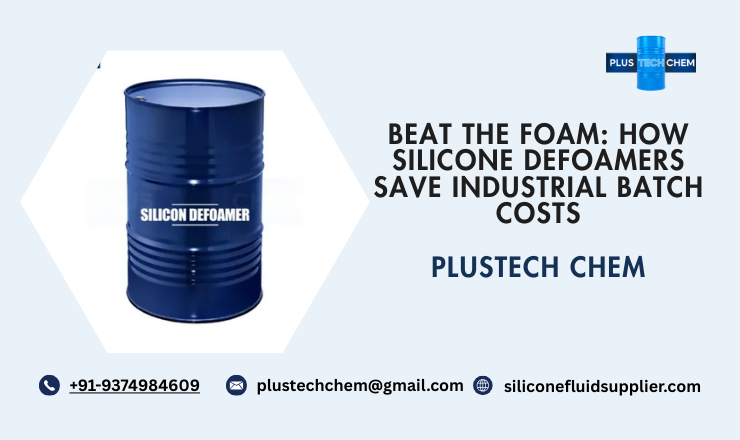
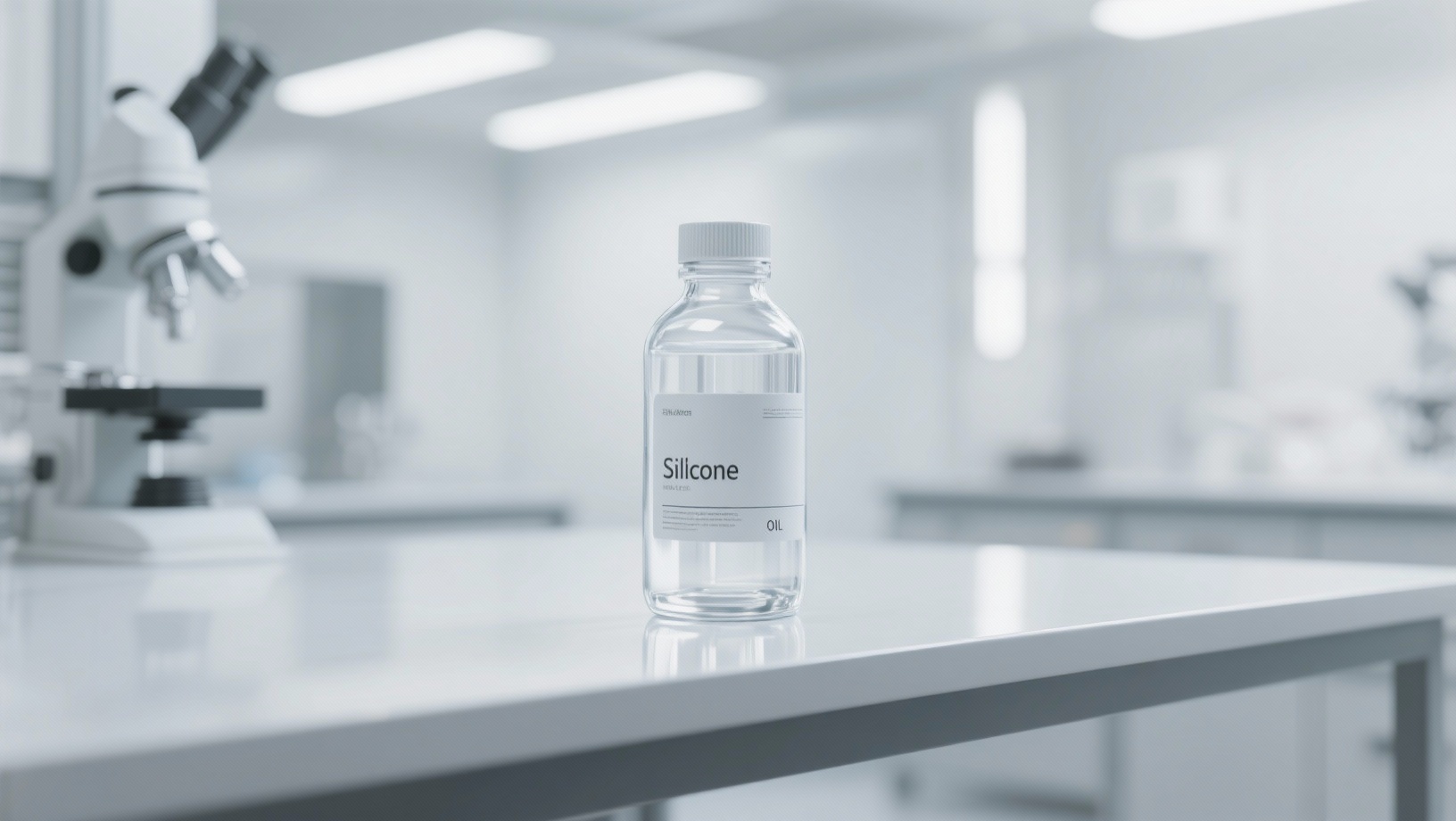
One of the best methods to address this issue is by using Silicone Defoamer which is a high grade chemical that helps in eliminating foams from various stages of production, packing and applying process. Employing a silicone defoamer will help the manufacturer produce coatings without defects and increase productivity.
One of the leading Silicone Defoamer Manufacturers in India, offers its customers the best defoamer products which can be used in paints and coatings, inks, adhesives, construction chemicals, textiles, paper making and various other industries. Being one of the best partner, we ensures that our customers get the best quality silicone defoamers products.
Foam Formation in Water-based Coatings
The formation of foam results from the entrapment of air in the liquid coating during its production and application process. Water-based coatings use surfactants, dispersing agents, wetting agents, and other substances which stabilize foam bubbles thus making their removal naturally impossible.
Foam usually forms during:
- High speed dispersion of pigments
- Resin mixture
- Pump operation
- Filtration
- Filling and packaging
- Spraying
- Brush application
- Roller coating
Some of the foam will disappear by itself, but some of it will be stable and will continue to be trapped in the coating. As the drying process progresses, the bubbles come to the surface and explode, leading to poor quality of the coating.
If not controlled, foam could result in wastage and inefficiency.
What Are Craters and Pinholes?
Two of the most common defects in coating due to foam are craters and pinholes.
Craters
Craters are small circular marks on the coating surface that result from bursting of foam bubbles as the coating dries. They are interruptions in the smooth appearance of the coating and decrease its gloss.
Pinholes
Pinholes are very small holes that form as a result of the escape of air trapped under the coating layer. Although these small defects may seem inconsequential, they enable moisture and other chemicals to enter the coating, thereby decreasing its protective ability against corrosion.
In applications where coatings act as protective barriers, like marine coatings, automotive coatings, pipeline coatings, and heavy engineering coatings, the presence of pinholes greatly reduces their effectiveness.
Importance of Foam Control
Foam is important not only for aesthetics of the paint coat.
Bad foam control may lead to the following consequences:
- Surface defects
- Gloss loss
- Low leveling
- Ununiform film thickness
- Bad adhesion
- Decrease in corrosion resistance
- Color formation inconsistency
- More rejected products
- Disappointed customers
- Higher production costs
Proper management of foam will allow companies to produce high-quality products without causing any loss of production time.
Silicone Defoamer Principles
The Silicone Defoamer contains silicon materials that have a very low surface tension in their formula.The difference between these materials and normal additives is that silicone compounds spread very fast over the surface of bubbles in foam.
This leads to weakening and breakdown of the foam film.
Consequently:
- Bubbles burst rapidly.
- Air comes out very easily.
- Foam breaks down quickly.
- The surface of the coating becomes even and smooth.
Due to great efficiency, products of this type are very popular in modern coating formulas.
Advantages of Silicone-Based Defoamers
As opposed to regular mineral oil or organic defoamers, there are several significant advantages of using silicone defoamers.
Fast Elimination of Foam
Silicone defoamers work rapidly to get rid of foam, increasing production efficiency.
Improved Surface Appearance
By removing air entrapment from the mixture, silicone defoamers create flawless surface coatings.
Gloss Retention
Defoamers increase the gloss level of the coating material.
Improved Coating Leveling
By decreasing foam in the coating mixture, it is easier to level it.
Increased Production Efficiency
Factories do not waste time dealing with flaws or remaking production batches.
Low Addition Levels
Silicone defoamers usually work efficiently in low addition levels.
Stability
Good quality silicone defoamers retain their properties when stored for a long time, showing their effectiveness during storage and extended production cycles.
|
Did you know? Silicone-based defoamers eliminate foam much faster than many conventional mineral oil or organic defoamers, helping improve production efficiency.
|
Choosing the Proper Silicone Defoamer
Not all defoamers have the same performance in all types of coating systems. Choosing the right defoamer needs consideration of some factors.
Resins
The defoamer must be compatible with acrylic, epoxy, polyurethane, alkyd, or mixed resins without compromising on the performance of the coating system.
Pigment Level
The level of pigmentation results in more foam formation hence the need to choose an appropriate defoamer performance.
Coating Process
Mixing process, pump pressure, filtration systems, and filling processes determine the amount of foam formed.
Method of Application
Spray, dip, roller, and curtain application methods each need different defoaming characteristics.
Surface Finishes
For gloss finishes, highly compatible defoamers need to remove foam without causing any surface problems.
Storage
Defoamers must maintain their efficiency during transportation and storage periods.
Laboratory tests and production tests assist manufacturers in determining the proper defoamer to use.
Uses of Silicone Defoamers in Various Industries
There are various silicone defoamer uses in industrial processes in which foam affects product quality and manufacturing efficiency.
They include:
- Water-based paints
- Industrial coatings
- Decorative paints
- Wood coatings
- Protective coatings
- Automotive coatings
- Printing inks
- Building chemicals
- Textile processes
- Paper manufacturing
- Adhesives and sealants
- Waste water treatment
- Cleaning chemicals
- Agrochemical formulations
- Chemical processing
- Emulsion polymerization
Due to their versatility, silicone defoamers have become among the most common processing aids in industry.
|
Did you know? Silicone defoamers are widely used in water-based paints, industrial coatings, and decorative paints to eliminate foam and deliver smooth, high-quality finishes.
|
Silicone Defoamers: Good Practices for Their Use
For optimal results, manufacturers should apply correct application procedures.
These include:
- Adding the defoamer at the start of the manufacturing process.
- Using the amount suggested by the manufacturer.
- Thorough mixing for even distribution.
- Not overusing it because it can affect the appearance of the coating.
- Performing compatibility tests prior to large scale production.
- Storing products according to temperature requirements.
Monitoring the amount of foam during the manufacturing process to determine correct dosing.
Common Mistakes to Be Avoided
There are some common mistakes that affect the efficacy of silicones as defoaming agents. These include:
- Using large amounts
- Inappropriate selection of formulation
- Poor mixing when manufacturing
- Failure to conduct lab compatibility tests
- Selection based solely on price considerations
- Improper storage
Experience of working with knowledgeable technical suppliers and Silicone Defoamer Wholesaler in India is helpful for manufacturers to avoid these problems.
|
Did you know? Using more silicone defoamer than recommended can actually create surface defects and reduce coating quality instead of improving foam control.
|
Factors Determining Silicone Defoamer Cost
When shopping for suppliers, many consumers try to find out the silicone defoamer cost first. But the price should not be the sole criterion of purchase.
Among other factors that determine the total price are:
- Silicone content
- Formulation
- Percentage of active substances
- Quality of raw materials
- Production technique
- Size of packaging
- Amount of order
- Features of performance
- Technical assistance offered
In spite of the higher cost of high-quality silicone defoamers, their dosage is smaller and production loss is minimal.
Reasons Why Product Quality Is Important when Selecting Silicone
Choosing an effective defoamer supplier and Silicone Defoamer Dealers in India is as important as choosing the product itself.
An excellent supplier will ensure that you have:
- High-quality products
- Modern manufacturing processes
- Quality control
- Technical formulation assistance
- Supply chain
- Prompt deliveries
- Product customisation
- Professional experience in your industry.
Reasons to Opt for Silicone Fluid
Silicone Fluid has become one of the foremost Silicone Defoamer Manufacturers in India, offering efficient and effective foam control solutions to the different industrial sectors. With our experience in silicone chemistry and specialty additives, we formulate effective defoamers to increase productivity, prevent coating problems and ensure better quality of the products.
Being renowned Silicone Defoamer Suppliers in India, we provide our services to the clients in the segments of paints, coatings, construction chemicals, textiles, paper, adhesives, and industrial processes.
About Plus Tech Chem
Parag Rawat is the CEO of Plus Tech Chem, an experienced manufacturer and Supplier of speciality fluid materials. The Plus Tech Chem has many years of experience formulating specialty chemical product lines, which allows Plus Tech Chem to formulate a premium specialty fluids such as silicone fluid, silicone oil, silicone emulsions and silicone defoamers which fulfill each sector of industry needs. Plus Tech Chem is known for quality and the ability to tailor solutions to customers' needs and Plus Tech Chem endeavours to assist clients with reliable chemical solution programs. Plus Tech Chem provides quality products for all their clients' long-term growth within the worldwide marketplace.
FAQs
1. What makes a silicone defoamer suitable for use in water-based paints and coatings?
A silicone defoamer is added to help remove foam that is created during the process of making and applying the paint or coating. This prevents coating problems like cratering, pinholing, fisheye formation, poor leveling, and loss of gloss, thereby creating a flawless coat.
2. How are craters and pinholes formed in water-based paints?
Craters are caused by the bursting of bubbles of foam that have collected on the paint coat. Pinholes are formed because of the escape of air from inside the coating film to outside the surface.
3. How does a silicone defoamer work?
Silicone defoamers consist of compounds of silicon which have extremely low surface tension and are able to spread themselves quickly over the surface of the foam bubbles. This breaks down the film of foam and makes the bubbles burst and release the air.
4. What should be considered in the selection of a silicone defoamer?
Selection of a suitable silicone defoamer involves several aspects such as resin compatibility, pigment loading, coating process, application process, required surface finish, shelf life and other coating formulations.
5. In what industries are silicone defoamers employed?
Silicone defoamers find applications in water based paints, industrial & decorative paints, automobile coatings, printing inks, construction chemicals, textiles, paper industry, adhesives and sealants, sewage treatment, agrochemicals, cleaning agents and other chemical processing industries.
6. Why choose a trustworthy Silicone Defoamer Manufacturer in India?
An esteemed Silicone Defoamer Manufacturer based out of India and Silicone Defoamer Distributor in India,is known for producing high-quality formulations that deliver dependable performance, strict quality control, formulation skills, customization, and reliable supplies. It helps manufacturers improve the quality of their coatings and reduce losses in production.
Conclusion
Efficient foam control is important in the preparation of superior quality water-based paints and coatings. Defects on the surface of coatings including craters and pinholes do not only affect their aesthetics but also decrease the durability and protective abilities of the paints and coatings. It is therefore necessary to choose the right Silicone Defoamer in order to ensure effective foam elimination, improved coating flow and glossiness.
The high-end silicone based defoamer products offer fast foam suppression, good compatibility, outstanding stability and great production efficiency in various industries. If you manufacture decorative paints, industrial coatings, adhesives, inks, construction chemicals and other related products, investment in a good defoaming solution would enable you to manufacture quality products at reduced production cost.
|
Silicone Fluid remains a top brand that can be relied upon by companies seeking efficient foam-control solutions. As among the leading Silicone manufacturers, suppliers, dealers, distributor and wholesaler in India, we are focused on offering quality silicone defoamers to our valued clients. Contact PlusTech Chem Now!
|