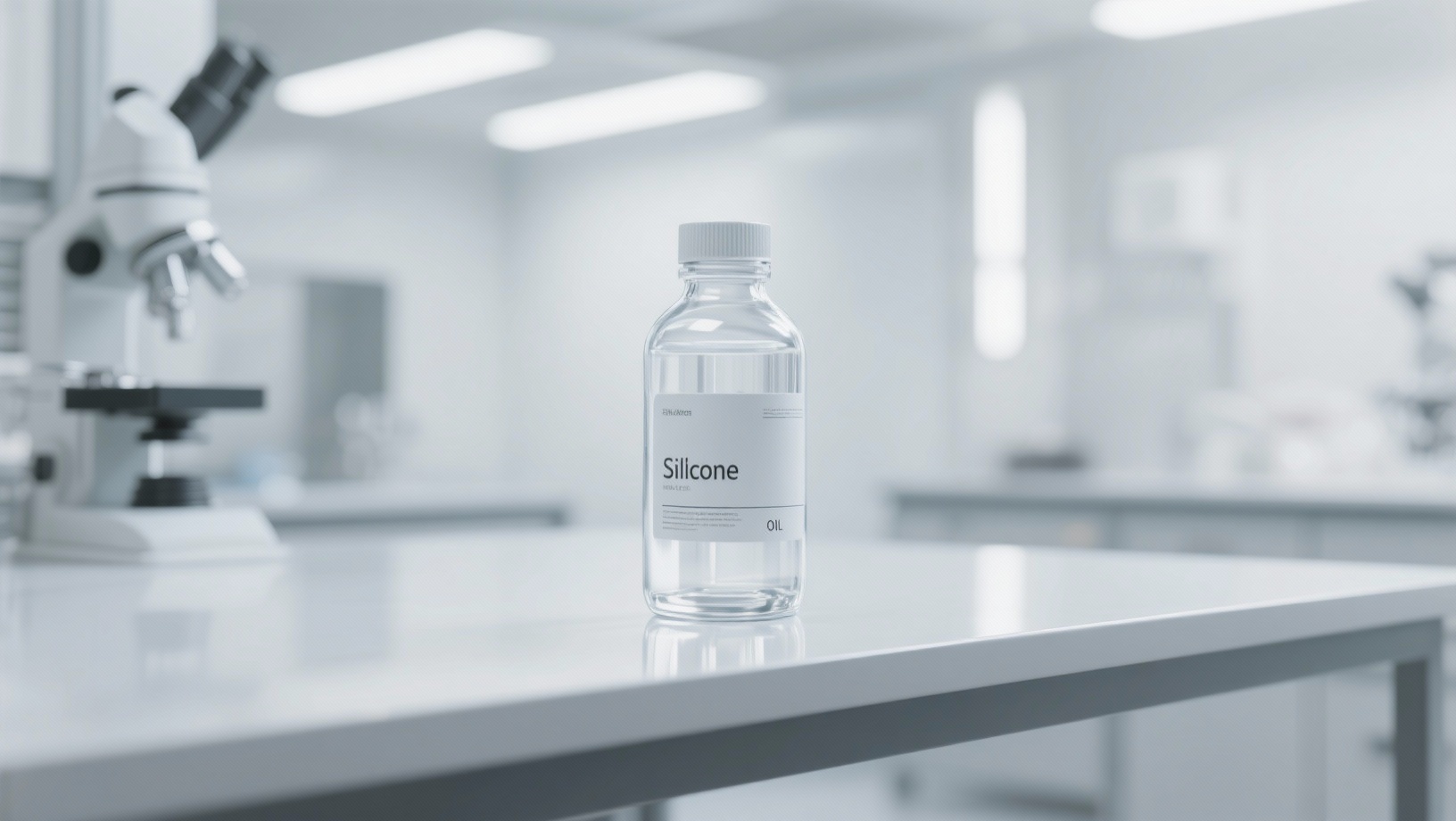
Transformers and switchgear work harder than they used to. Denser loads, tighter enclosures, less room to breathe — and somewhere in it all sits an oil quietly keeping the current where it belongs. These days, that oil is often Silicone Dielectric Fluid. Nothing new about it. Engineers have leaned on it for decades — what's changed is the attention it's getting, since plants can't really afford a failure that takes a line down for hours anymore. Here's the rundown, then: what the fluid is, why teams keep switching off older mineral-oil setups, which grades you'll run into, and a couple things worth checking before you pick a supplier.
What is Silicone Dielectric Fluid?
Skip the marketing language a second — a Dielectric Silicone Fluid, at its core, is a polymer built on a silicone-oxygen backbone rather than the carbon chains you'd get in mineral oil. That one difference does a lot of heavy lifting — it barely reacts to heat, doesn't oxidize the way older oils tend to, and keeps its properties well past the point where a mineral-oil equivalent would've started falling apart. That's the whole reason it ends up in equipment where failure isn't an option.
Not every Silicone Fluid on the market is built for this job. Plenty are made for lubrication, defoaming, or coatings instead. The dielectric grade is a different formulation, tuned for insulation, and it brings a few things to the table:
- Strong resistance to current flow, which cuts down the risk of short circuits
- Decent thermal conductivity — heat moves through it instead of sitting there
- Won't react with water, acids, or bases under normal conditions
- Clear, low-odor, and honestly just easier to handle on a shop floor
FACT: Dielectric strength gets measured in kilovolts — basically, how much voltage the fluid can take before it gives out.
Why is it Important?
Here's the uncomfortable part — power equipment fails silently, right up until it doesn't. A transformer running on a mediocre fluid can look fine for months. Then it just goes down, with barely any warning. That's the moment a dependable insulating medium stops being a nice-to-have and starts being the thing standing between you and a very expensive Monday.
- Keeps windings and coils safe from arcing and moisture damage
- Stretches the working life of transformers, capacitors, and switchgear
- Cuts fire risk versus conventional oils — the flash point is higher
- Holds up the same indoors or outdoors
- Fewer unplanned shutdowns, fewer fluid replacement cycles, and that adds up over time
Types / Variants
No single grade fits every job — viscosity and additive packages vary depending on what you're protecting. The general breakdown:
- Low-viscosity — for compact transformers and sensors needing fast heat transfer
- Medium-viscosity, the workhorse for general Transformer Silicone Fluid jobs
- High-viscosity for heavy-duty switchgear and capacitor banks
- Specialty blends as a base fluid for greases around high-voltage gear
- Hybrid grades that double as a Silicone Hydraulic Fluid when insulation and mechanical work are both needed
Features to Look For
Don't just take the label at face value — buyers get burned that way more than you'd think. Check for these markers before you commit to an order:
- Actual dielectric strength and breakdown voltage numbers, not just a spec sheet claim
- Test certificates backing up batch-to-batch consistency
- Stability across a wide range of operating temperatures
- Compatibility with whatever gaskets, seals, and materials are already in the system
- Clear guidance on handling and storage — often skipped, surprisingly
DID YOU KNOW? A silicone-oxygen backbone shrugs off heat in a way the carbon-based backbone in ordinary mineral oil just can't.
Product Overview
A well-made Silicone Transformer Oil combines low volatility, solid oxidation resistance, and a viscosity that barely shifts with the seasons — simple until you've dealt with a fluid that doesn't hold up. It's built to slot into, or replace, mineral-oil systems wherever thermal cycling, moisture, or fire safety is a concern. Some suppliers reformulate it into a Silicone Hydraulic Fluid, covering insulation and mechanical lubrication both.
Benefits of Silicone Dilectric Fuid
Here are the detailed benefits of silicone dielectric fluid:
- Long service life — it doesn't degrade the way older oils do after repeated heating and cooling
- Less maintenance, since sludge and varnish don't really build up
- Better fire safety than most hydrocarbon-based insulating oils
- Steady performance across a broad viscosity range
- Doesn't oxidize or corrode metal parts, kinder to equipment long term
- Works across enclosure types — sealed transformers, open switchgear cabinets, both
Applications / Use Cases
So where does it actually show up? Silicone Dielectric Fluid Uses really just comes down to matching a grade to a job, and most of them fall into a handful of buckets:
- Transformer oil and insulation inside transformers, capacitors, and switchgear — the classic use case
- Heat-transfer medium wherever electrical insulation is also required
- Lubricant duty for sensors and high-voltage components needing electrical safety
- Electronics cooling and other dielectric cooling jobs
- Base fluid for specialty greases around electrical equipment
TRIVIA: This whole chemistry actually got its start in aerospace and military insulation work — industrial use came much later.
Comparison Table
Understand silicone dielectric fluid and conventional mineral insulating oil better through a comparison table:
|
Parameter
|
Silicone Dielectric Fluid
|
Conventional Mineral Insulating Oil
|
|
Thermal Stability
|
Holds up well, resists breakdown even at high temperatures
|
Only moderate — degrades faster under sustained heat
|
|
Oxidation Resistance
|
Strong; sludge formation stays minimal over time
|
Weaker, prone to oxidation and varnish buildup
|
|
Fire Safety Profile
|
Higher flash point — safer in enclosed spaces
|
Lower flash point, so fire risk runs higher
|
|
Handling
|
Clear, low-odor, easy to store
|
Can darken and develop odor with age
|
|
Typical Use
|
Transformers, switchgear, dielectric cooling
|
Transformers, general insulation
|
Expert Tips / Buying Guide
Picking the right supplier matters just as much as picking the right grade — a great fluid from an unreliable dealer doesn't help anyone. Before an order goes out, experienced buyers will:
- Test certificates confirming dielectric strength and purity, batch by batch
- Packaging options — small lab trial packs versus bulk industrial drums
- Compatibility with whatever's already in the system before switching over
- An established Silicone Dielectric Fluid Manufacturer that documents consistency across repeat orders
- A Silicone Dielectric Fluid Supplier who gives real guidance on grade selection, not just a price list
An experienced Silicone Dielectric Fluid Dealer in Gandhi Nagar, or anywhere in India really, tends to mean fewer surprises during installation — they already know regional timelines and what specific applications need. One more question worth asking: can they support a small trial batch before a full bulk run? Testing at a small scale first cuts risk for teams juggling more than one site.
About Plus Tech Chem
Parag Rawat is the CEO of Plus Tech Chem, an experienced manufacturer and Supplier of speciality fluid materials. The company has many years of experience formulating specialty chemical product lines, which allows Plus Tech Chem to formulate a premium specialty fluids such as silicone fluid, silicone oil, silicone emulsions and silicone defoamers which fulfill each sector of industry needs. It is known for quality and the ability to tailor solutions to customers' needs and endeavours to assist clients with reliable chemical solution programs. It provides quality products for all their clients' long-term growth within the worldwide marketplace.
FAQs
Q1: What is Silicone Dielectric Fluid actually used for?
Ans: Mostly insulation and cooling inside transformers, capacitors, and switchgear. It also works as a heat-transfer medium wherever electrical insulation matters, and sometimes as a base fluid for greases around high-voltage gear. Basically, anywhere a mineral oil used to go, but where stability, safety, and long-term performance actually matter more.
Q2: How is it different from regular Silicone Fluid?
Ans: A regular Silicone Fluid might be formulated for lubrication, defoaming, or coatings — it's not built for electrical work. The dielectric grade is a completely different formulation, tuned specifically for insulation and current resistance. So don't assume every silicone fluid on a shelf will do the same job.
Q3: Does it really last longer than mineral oil?
Ans: Generally, yes. The silicone-oxygen backbone resists oxidation far better than the carbon chains in mineral oil, so it doesn't break down or form sludge as quickly. That means fewer replacement cycles and less maintenance over time, which adds up nicely across a transformer's working life.
Q4: Is it safer around fire-prone environments?
Ans: It tends to be, yes. Silicone dielectric fluids usually have a higher flash point than conventional mineral insulating oils, so there's less fire risk in enclosed spaces like substations. That said, always check the specific grade's safety data sheet rather than assuming every batch behaves identically.
Q5: Can one grade work for both transformers and hydraulic systems?
Ans: Sometimes, yes — certain hybrid formulations double as a Silicone Hydraulic Fluid, covering both insulation and mechanical lubrication in one product. It really depends on the exact grade and viscosity though, so it's worth checking with your supplier before assuming a single fluid covers both jobs.
Q6: How do I pick the right supplier for it?
Ans: Look for test certificates on every batch, ask about packaging flexibility for trials versus bulk orders, and confirm they actually understand your application instead of just quoting a price. A good Silicone Dielectric Fluid Manufacturer or dealer should feel like a partner, not just a vendor.
Conclusion
Silicone Dielectric Fluid didn't earn its spot in modern electrical systems by accident — thermal stability, chemical inertness, and insulation that holds up over years, not months, will do that. Stretch out transformer life, cut fire risk, keep sensitive electronics running clean — whatever the goal, it's a real step up from the mineral oils most plants grew up on. Get the grade right, get the supplier right, and that's usually the difference between smooth operations and a shutdown nobody saw coming.
Need a reliable, tested Silicone Dielectric Fluid for your next project? Contact with Plus Tech Chem and let's talk grades, packaging, and application support.