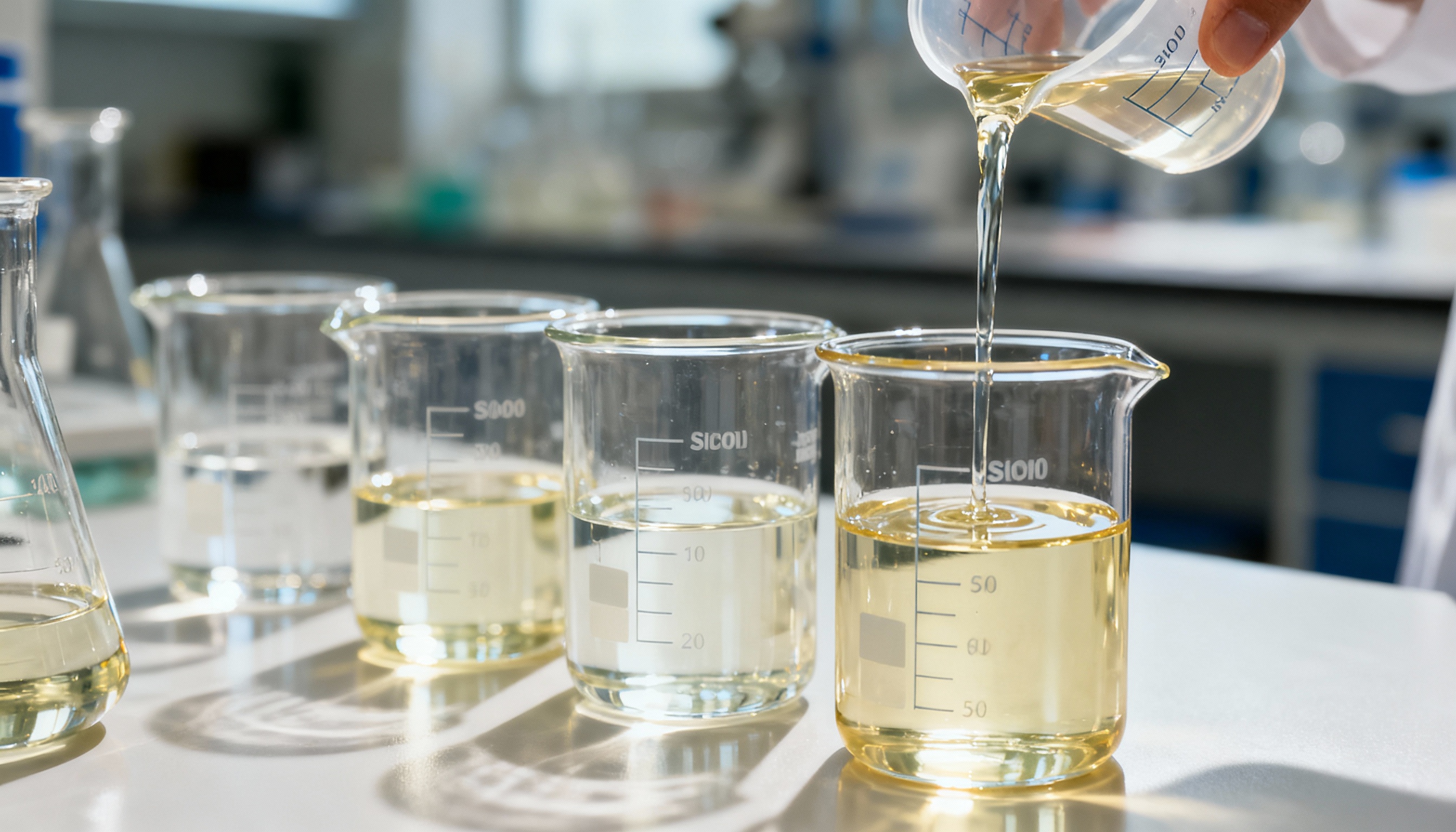
In various manufacturing processes, temperature control becomes a critical need. This could be a matter of heating up chemicals or plastics as well as running the industrial oven; heat must be delivered to equipment in a controlled manner. Heat Transfer Fluids enable the process by transporting heat from the source of heating to the process equipment.
This is why Industrial heat transfer fluids find applications in numerous heating and cooling systems.The heat transfer fluid passes through the system pipelines and equipment, absorbing heat and transferring it to where it is needed. However, choosing the appropriate fluid may be a difficult task due to temperature range, viscosity, and thermal stability that may influence the system's performance. Cooperation with professionals from Heat Transfer Fluids Manufacturers is always useful.
What Are Heat Transfer Fluids?
Heat Transfer Fluids are specifically selected fluids that have the capability to move heat energy from one point to another within an industrial setting.They are also known by alternative names such as Industrial Thermal Fluids or Heat Transfer Liquids.
In a standard arrangement, the heat transfer fluid is warmed up and piped around using a pump. It gets to some process apparatus like a reactor, heat exchanger, moulding machine, or oven, and then conveys thermal energy to it. Once it conveys thermal energy, it goes back into the heating source for more action.
Through this loop system, a heat transfer fluid can offer heating in an industrial process without having the heat source touching the process material.
How Do Heat Transfer Fluids Work in Industrial Systems?
How heat transfer fluids work is quite simple. A Thermal Fluid System moves continuously through a heat source and then into the equipment to be heated.
First, the fluid is passed into the heater section of a process where it picks up heat energy. Then the fluid is pumped from the heater by a circulation pump along pipelines into the process equipment, where the fluid gives off its heat energy through a heat exchanger or heating jacket.
After giving up the requisite amount of heat, the fluid is moved back via another line to be heated once again for reuse.
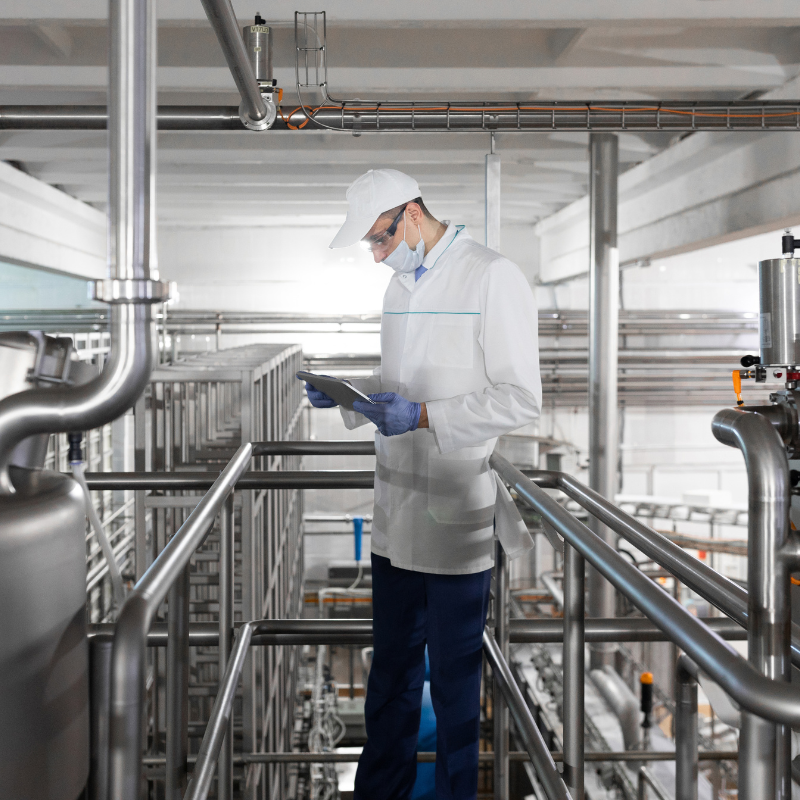
Such continuous cycles make up the main elements of many Industrial Heat Transfer Systems. The heating process can be regulated using temperature sensors and control systems to maintain the required operating temperature. There should also be suitable pumps, piping, expansion system, and heat exchange surfaces for the liquid cycle.
Heat Absorption and Circulation
Fluid circulation is essential for any Thermal Fluid heater because the fluid gains heat energy from the heater and then distributes this energy by circulating through the system. The pumps ensure that the flow rate is adequate in all the piping systems and processes.
The Heat Transfer Fluid Circulation is very important since it ensures proper flow.
Heat Release and Temperature Control
As the hot liquid flows into the process equipment, it gives off heat through the heat transfer surface that is available to it. The process is able to get the heat it needs, and in the meantime, the temperature of the fluid drops.
The cooled liquid goes back into the Heat Transfer Process.
Key Properties of an Effective Heat Transfer Fluid
Industrial Thermal Fluids rely on a number of characteristics in order to perform effectively. The most significant is Thermal Stability, especially with respect to fluids that work at high temperatures over an extended period of time.
The fluid must be capable of having an effective operating range as well as being able to provide the correct viscosity. Increased viscosity may mean increased energy costs and make pumping difficult.
Heat Transfer Capability is another aspect that should be considered because the fluid must be able to transport heat from the heater to other pieces of machinery. Other factors include resistance to oxidation, which affects fluid life, especially if the system is open to air at high temperatures.
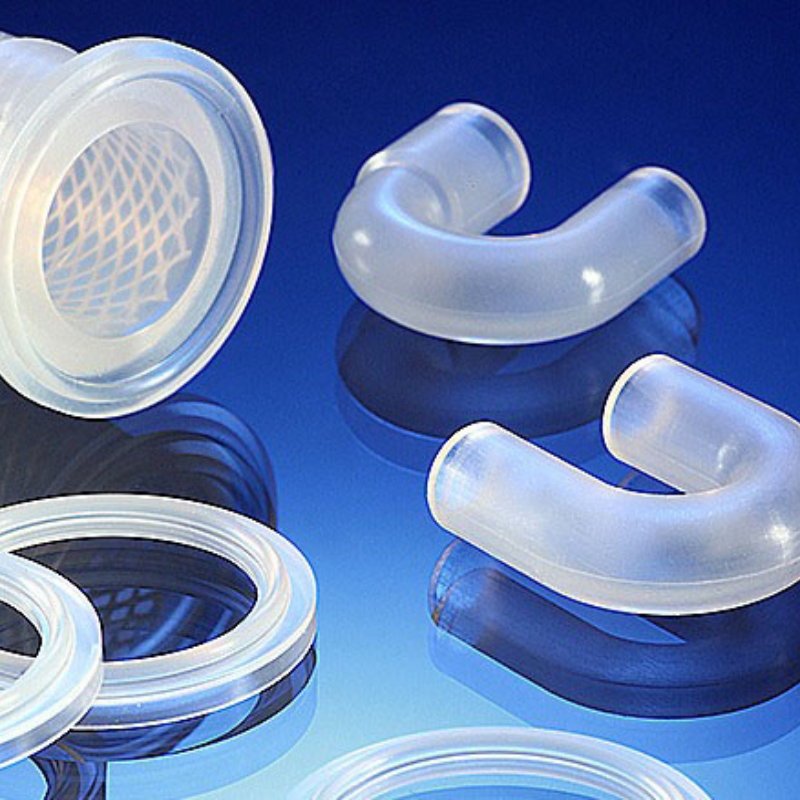
Other properties include freezing or pour point, chemical stability and compatibility with pumps, seals, pipes and heat transfer equipment. This list of Heat Transfer Fluid Properties should not be considered separately but taken into account together as a whole.
Common Heat Transfer Fluids Used in Industrial Applications
Each process will have a specific requirement for Industrial Heat Transfer Fluids, which can depend on the temperature of operation, the design of the system, and the thermal performance needed.
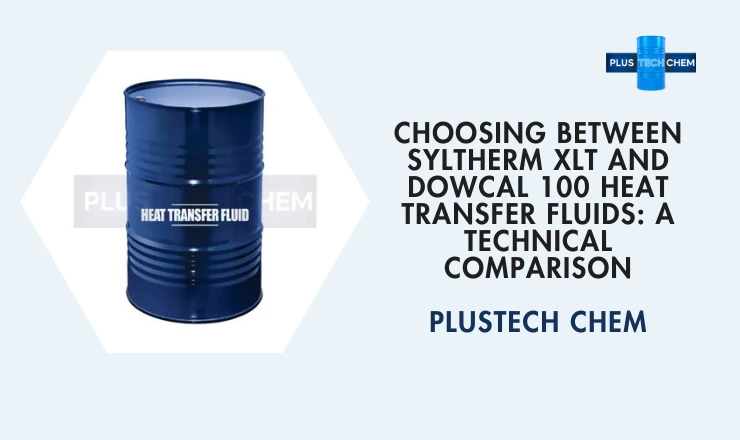
Products that can be considered include Plustech Chem’s Syltherm XLT heat transfer fluid, Syltherm 800 heat transfer fluid, and Dowcal 100 heat transfer fluid.
Syltherm XLT Heat Transfer Fluid
One alternative to consider when designing an industrial temperature-control system that will require the use of a proper heat-transfer fluid is Syltherm XLT heat transfer fluids.
It may be used in applications where there is a need for stable heat transfer. The following should be taken into account before using Syltherm heat transfer fluids.
Syltherm 800 Heat Transfer Fluid
Syltherm 800 Heat Transfer Fluids is one of the available options for a thermal fluid in industry when the task involves efficient high-temperature heat transfer fluid
It might prove to be suitable when stable thermal properties and reliable performance are needed. The proper application range needs to be verified according to the technical data of the manufacturer.
Dowcal 100 Heat Transfer Fluid
Dowcal 100 heat transfer fluids is yet another product available for heating purposes. This particular product can be used when a need arises to circulate the fluid to transfer heat from the source of heating to the processing equipment.
Just like other Dowcal heat transfer fluids, the choice of product should be made depending on the actual temperature at which the fluid will operate.
Where Are Heat Transfer Fluids Used?
There are various heat transfer fluid applications in manufacturing and processes industries. Heat transfer fluids are used especially in situations where it becomes hard to achieve direct heating and processes requiring constant temperature control.
Some of these applications are:
- Industrial heating systems
- Chemical processing
- Plastic extrusion and molding
- Industrial ovens
- Environmental chambers
- Heat recovery systems
- Closed-loop heat transfer systems
- Thermal oil systems
For example, in the chemical heat transfer process, the thermal oil fluids can be used to deliver heat to reactors, tanks, among others. Plastic processing machinery may also require thermal systems to control temperatures.
The type of fluid that will be used in a thermal oil system will depend on the process temperatures and operating conditions.
How to Select the Right Heat Transfer Fluid
Choosing the appropriate heat transfer fluids requires an understanding of the actual thermal system in question and the conditions under which it will be used. The first considerations in this regard are the minimum and maximum operating temperatures as the fluid needs to be stable within the entire working range.
Additional considerations may include viscosity, thermal stability, oxidative stability, heat transfer capabilities, pumping and material compatibility. The above factors help different industries in choosing a heat transfer fluid that will ensure reliability and longevity.
Technical data, operating conditions, maintenance requirements, as well as fluid change frequency, should all be considered before choosing Heat Transfer Fluid.
In looking at heat transfer fluids suppliers in India, consumers need to consider more than just availability. Quality, technical data, application support and reliable supply are other key factors.
Collaboration with heat transfer fluids manufacturers with experience in providing industrial thermal fluids helps different industries in selecting a suitable heat transfer fluid for their needs.
Why Fluid Quality Matters in Industrial Heat Transfer Systems
It is clear that the condition of the heat transfer fluid used in an industry can have a direct impact on the efficiency of the heat transfer process. Inappropriate use of the heat transfer fluid can have an impact on the efficiency of the heat transfer process, temperature consistency, and maintenance of the system.
Degradation due to thermal stress and oxidation can alter the properties of the fluid. Deposits formed due to degradation can also have an effect on the components in the process and on circulation.
That is why it is essential to look out for the Heat Transfer Fluid quality during the selection process and while using the system. Reliable Heat Transfer Fluids Manufacturers in India can help with the selection of the appropriate heat transfer fluid.
Conclusion
Heat transfer fluids form an integral part of heating and temperature control processes. Heat Transfer Fluids Manufacturers in India assist in selection of the right kind of thermal fluids depending upon temperature, viscosity, thermal stability, heat transfer capacity, etc. In addition to looking for Heat Transfer Fluids suppliers in India, buyers must also take into consideration their technical support, documentation, quality, and supply capabilities. Plustech Chem can offer the right kind of thermal fluids for different industrial requirements.
FAQs About Heat Transfer Fluids
1. What is the main purpose of a heat transfer fluid?
The purpose of the heat transfer fluid is transferring heat energy from the source to process equipment within specified temperature parameters.
2. Where are heat transfer fluids commonly used?
Heat transfer fluid applications such as chemical processes, plastic molding, industrial ovens, heat recovery, and closed-loop thermal systems.
3. How do I choose the right heat transfer fluid?
Choosing heat transfer fluid is dependent on operating temperature, viscosity, thermal stability, material compatibility, and flow demands, among other application parameters.
4. What is Syltherm XLT heat transfer fluid used for?
Syltherm XLT heat transfer fluid can be used in appropriate industrial applications for temperature control and heat transfer. The suitability should be determined prior to choosing the product.
5. What is Syltherm 800 Heat Transfer Fluid?
Syltherm 800 heat transfer fluid is one type of industrial thermal fluid that can be utilized to perform heat transfer operations under certain operating conditions.
6. Why should industries work with reliable Heat Transfer Fluids Manufacturers?
There are Reliable heat transfer fluids manufacturers who offer quality products and technical data as well as help in selecting products.
7. What heat transfer fluid brands and specifications are available?
Plustech Chem offers options such as Syltherm XLT heat transfer fluid, Syltherm 800 heat transfer fluid, and Dowcal 100 heat transfer fluid. The suitable product should be selected according to the required operating temperature, thermal performance, system design and application requirements.